
Introduction
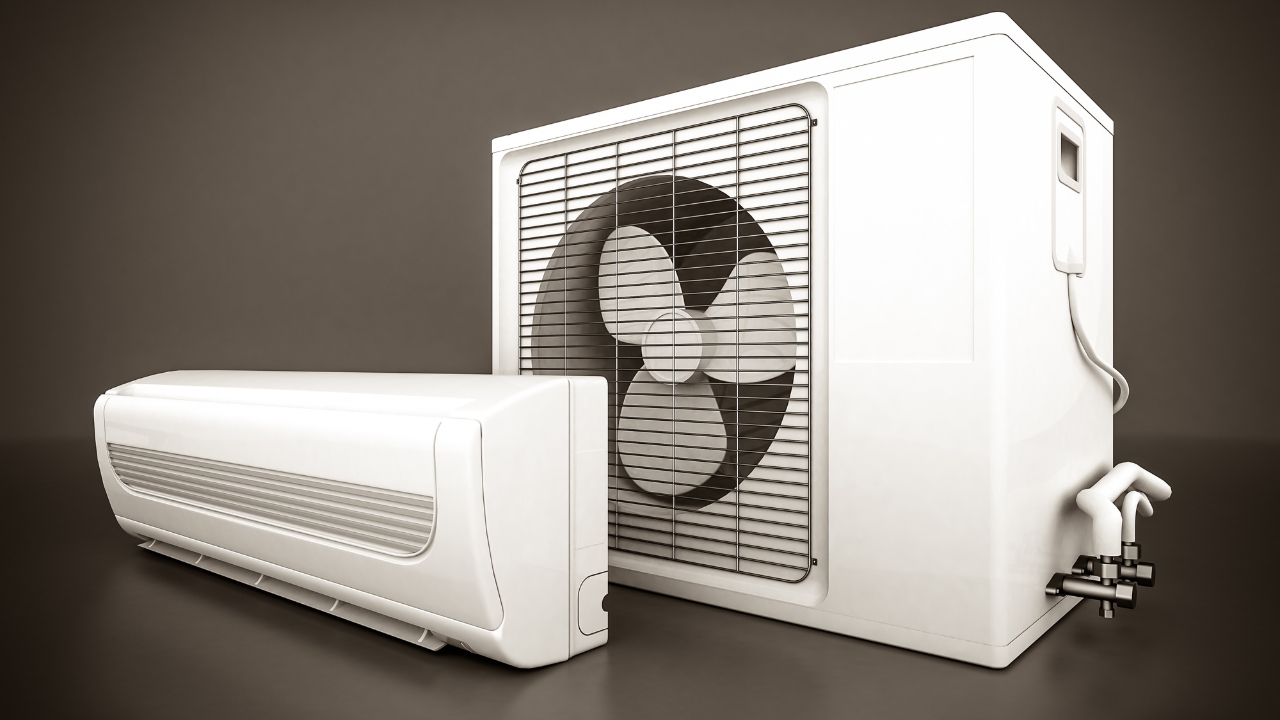
Air conditioning condensers are essential components of HVAC systems. They are responsible for releasing heat absorbed from indoor air outside, allowing the refrigerant to cool down and circulate back into the system.
Air conditioning condensers are crucial in maintaining a comfortable indoor environment, especially during hot summers. Whether it’s in your home or office, understanding the basics of ac condensers can save you from sweltering heat and costly repairs.
Understanding the Functionality of Air Conditioning Condensers
Condensers work by converting refrigerant gas into a liquid state through condensation. As warm air passes over the condenser coils, the refrigerant releases heat and transforms into liquid.
Types of Air Conditioning Condensers
Several air conditioning condensers include split systems, packaged air conditioners, and central air conditioning units. Each type serves specific purposes and is suited for different settings.
Importance of Regular Maintenance for AC Condensers
Regular maintenance ensures air conditioning condensers’ optimal performance and longevity. Neglecting maintenance can reduce efficiency, increase energy consumption, and costly repairs.
Signs of a Faulty Air Conditioning Condenser
Recognizing signs of a faulty air conditioning condenser is essential for timely repairs. Some common signs include reduced cooling capacity, strange noises, and visible damage to the unit.
DIY Maintenance Tips for Air Conditioning Condensers
While some maintenance tasks require professional expertise, there are simple DIY tips you can follow to keep your air conditioning condenser in top condition. These include cleaning the coils, checking for debris, and ensuring proper airflow.
Professional Maintenance Services for Air Conditioning Condensers
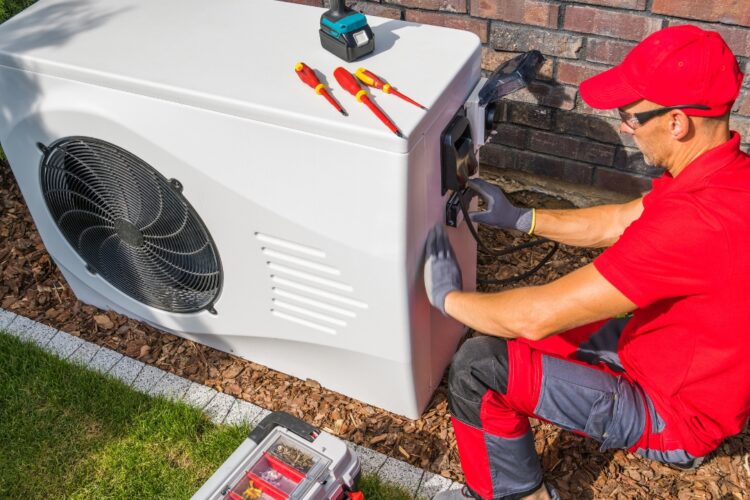
Professional HVAC technicians offer comprehensive maintenance services for air conditioning condensers. From routine inspections to troubleshooting complex issues, hiring a professional ensures your system remains efficient and reliable.
Common Problems with Air Conditioning Condensers
Several issues can arise with ac condensers, including refrigerant leaks, condenser coil problems, and electrical issues. Prompt identification and repair are essential to prevent further damage.
Repairing Air Conditioning Condensers
In some cases, repairing the air conditioning condenser may be necessary to restore its functionality. Depending on the extent of the damage, repairs may involve replacing components, fixing leaks, or addressing electrical issues.
Cost Factors in Repairing or Replacing Air Conditioning Condensers
The cost of repairing or replacing an air conditioning condenser depends on various factors, including the extent of the damage, the type of unit, and the complexity of the repairs.
Choosing the Right HVAC Service Provider for Condenser Maintenance and Repair
When selecting an HVAC service provider for condenser maintenance and repair, it’s essential to consider experience, reputation, and certifications. A reliable provider ensures quality service and peace of mind.
Tips for Prolonging the Lifespan of AC Condensers
By following preventive maintenance tips and practicing good HVAC habits, you can prolong the lifespan of your air conditioning condenser. Regular inspections, cleaning, and timely repairs are crucial to maximizing efficiency and durability.
Energy Efficiency and Air Conditioning Condensers
Energy efficiency is a significant concern for modern air conditioning systems. Upgrading energy-efficient condensers can lower utility bills and reduce environmental impact while providing superior cooling performance.
The Future of Air Conditioning Condenser Technology
Advancements in technology continue to shape the HVAC industry, including air conditioning condenser technology. Innovations such as variable-speed compressors and intelligent control systems promise greater efficiency and comfort.
Understanding the Functionality of AC Condensers
Air conditioning condensers are fundamental to HVAC (Heating, Ventilation, and Air Conditioning) systems. They convert refrigerant from a gas to a liquid state through condensation. This conversion is essential for the efficient transfer of heat.
Types of Air Conditioning Condensers
Split System Condensers
Split system condensers are the most common type found in residential settings. They consist of an outdoor unit containing the condenser coil and compressor and an indoor unit containing the evaporator coil.
Packaged Air Conditioners
Packaged air conditioners contain all components within a single unit, including the condenser, compressor, and evaporator. They are commonly used in commercial buildings and small offices with limited space.
Central Air Conditioning Units
Central air conditioning units are larger systems designed to cool entire homes or buildings. They typically consist of an outdoor unit containing the condenser and compressor, connected to an indoor unit that distributes cooled air through ductwork.
Importance of Regular Maintenance for Air Conditioning Condensers
Regular maintenance ensures ac condensers’ optimal performance and longevity. Routine inspections and cleaning help prevent dirt buildup, refrigerant leaks, and mechanical failures.
Signs of a Faulty Air Conditioning Condenser
Several signs indicate potential problems with an air conditioning condenser. These include reduced cooling efficiency, strange noises during operation, visible damage to the unit, and refrigerant leaks.
DIY Maintenance Tips for Air Conditioning Condensers
While some maintenance tasks require professional expertise, there are simple steps homeowners can take to keep their air conditioning condensers running smoothly. These include regularly cleaning the condenser coils, removing debris from the unit, and ensuring adequate airflow around the outdoor unit.
Professional Maintenance Services for Air Conditioning Condensers
Professional HVAC technicians offer comprehensive maintenance services for air conditioning condensers. These services may include coil cleaning, refrigerant level checks, electrical system inspections, and lubrication of moving parts.
Common Problems with Air Conditioning Condensers
Air conditioning condensers can experience various issues over time, including refrigerant leaks, coil corrosion, compressor failure, and electrical problems. Prompt identification and repair of these issues are essential to prevent further damage to the system.
Repairing Air Conditioning Condensers
In cases where repairs are necessary, hiring a qualified HVAC technician to diagnose and fix the problem is essential. Repairs may involve replacing damaged components, repairing leaks, or addressing electrical issues to restore the condenser’s functionality.
Cost Factors in Repairing or Replacing Air Conditioning Condensers
The cost of repairing or replacing an air conditioning condenser depends on factors such as the extent of the damage, the age of the unit, and the availability of replacement parts. In some cases, it may be more cost-effective to replace the entire unit rather than repair it.
Choosing the Right HVAC Service Provider for Condenser Maintenance and Repair
When selecting an HVAC service provider, choosing a reputable company with experience in condenser maintenance and repair is essential. Look for technicians who are licensed, insured, and have positive customer reviews.
Tips for Prolonging the Lifespan of Air Conditioning Condensers
Regular maintenance and proper care are vital to prolonging the lifespan of air conditioning condensers. This includes scheduling annual inspections, keeping the outdoor unit clean and debris-free, and addressing any issues promptly to prevent further damage.
Energy Efficiency and Air Conditioning Condensers
Energy efficiency is an important consideration when choosing an air conditioning condenser. Energy-efficient models can reduce utility bills and minimize environmental impact while providing reliable cooling performance.
The Future of Air Conditioning Condenser Technology
Advancements in technology continue to drive innovation in air conditioning condenser technology. From improved efficiency to intelligent control systems, the future of condenser technology promises greater comfort, energy savings, and sustainability.
FAQs About Air Conditioning Condensers
1. How often should air conditioning condensers be inspected?
It’s recommended to have your air conditioning condenser inspected at least once a year by a qualified HVAC technician.
2. Can I clean my air conditioning condenser coils myself?
While homeowners can do simple maintenance tasks like cleaning debris, leaving coil cleaning to professionals is advisable to avoid damage.
3. What are the benefits of upgrading to an energy-efficient air conditioning condenser?
Energy-efficient condensers can significantly reduce energy consumption, lower utility bills, and provide better cooling performance while minimizing environmental impact.
4. What should I do if I notice refrigerant leaks from my air conditioning condenser?
If you suspect a refrigerant leak, immediately contact a professional HVAC technician to assess the issue and perform necessary repairs.
5. Is it possible to retrofit older air conditioning condensers for improved efficiency?
In some cases, older condenser units can be retrofitted with energy-efficient components to enhance performance and efficiency. However, it may only be feasible in some situations.
Contact Us
Phone: +44 02033402395
Email: info@coldwind.co.uk
Website: www.coldwind.co.uk
Conclusion
Air conditioning condensers are essential components of HVAC systems and are crucial in maintaining indoor comfort. By understanding their functionality, performing regular maintenance, and addressing issues promptly, you can ensure optimal performance and longevity for your cooling system.