
Introduction
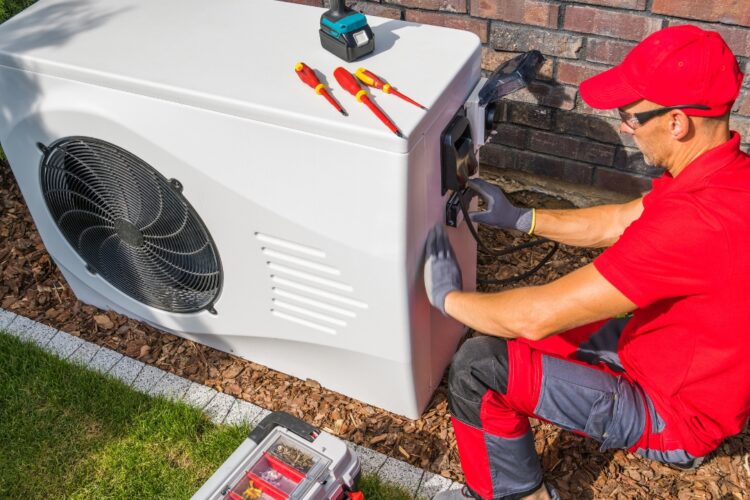
In air conditioning systems, understanding the intricacies of AC components is paramount for optimal performance, efficiency, and longevity. At Cold Wind, we specialize in AC maintenance, repair, and new installations, catering to clients’ diverse needs across London, United Kingdom. Our expertise also extends to commercial refrigeration systems, ensuring that businesses operate seamlessly with reliable cooling solutions.
The Core Components of an AC System
Compressor: The Heart of Cooling
The compressor is the heart of an air conditioning unit, responsible for pressuring the refrigerant and facilitating its circulation through the system. It plays a pivotal role in maintaining the desired temperature within the space, making it a crucial component for efficient cooling operations.
Condenser: Heat Dissipation Hub
As the refrigerant leaves the compressor in a high-pressure, high-temperature state, it enters the condenser, where heat dissipation occurs. Through a series of coils and fins, heat exchange takes place, transforming the refrigerant into a liquid state before it moves forward in the cooling cycle.
Evaporator: Cooling Catalyst
Within the indoor unit of an AC system lies the evaporator, where the liquid refrigerant evaporates, absorbing heat from the indoor air. This chilled air is circulated back into the space, creating a comfortable and refreshing indoor environment.
Expansion Valve: Regulating Flow
The expansion valve controls refrigerant flow into the evaporator, ensuring optimal pressure levels for efficient cooling. Regulating the refrigerant flow facilitates the transition from high-pressure liquid to low-pressure liquid, allowing for effective heat absorption during the evaporation process.
Refrigerant: Vital Coolant Medium
Central to the functionality of an air conditioning system is the refrigerant, a chemical compound responsible for absorbing and releasing heat as it cycles through the various components. Common refrigerants include R-410A and R-22, each with specific properties tailored to cooling applications.
Importance of Regular Maintenance
Enhancing Efficiency and Performance
Regular maintenance of AC components is essential for optimizing system efficiency and performance. Inspecting, cleaning, and lubricating key components can identify and resolve potential issues before they escalate, ensuring smooth operation and minimizing energy consumption.
Prolonging Lifespan
Routine maintenance not only improves immediate performance but also extends the lifespan of AC systems. Maintenance efforts by addressing wear and tear, replacing worn-out parts, and addressing potential problems proactively contribute to the long-term reliability and durability of cooling systems.
Professional Repair Services
Swift Response to Issues
Despite meticulous maintenance efforts, AC systems may encounter malfunctions or breakdowns due to various factors. In such instances, prompt repair services are imperative to minimize downtime and restore functionality swiftly. Our team of skilled technicians at Cold Wind is equipped to diagnose and rectify issues efficiently, ensuring minimal disruption to your comfort.
Comprehensive Solutions
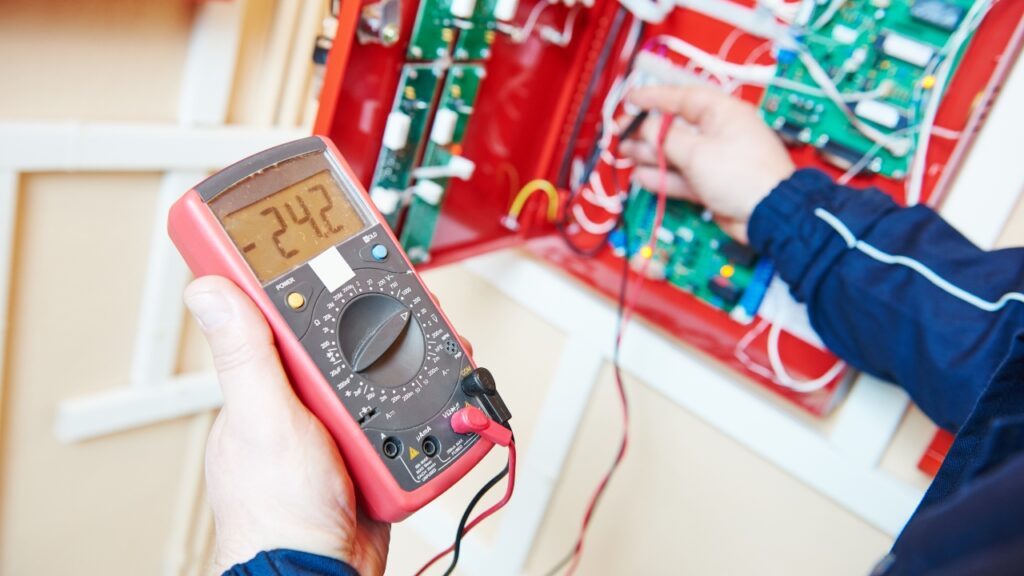
From minor component replacements to complex repairs, our services encompass various solutions to address diverse issues. Whether it’s a faulty compressor, a leaky condenser coil, or an electrical malfunction, we employ advanced diagnostic tools and techniques to identify the root cause and implement effective remedies.
Seamless Installations for Optimal Performance
Tailored Solutions for Every Need
When it comes to new installations, Cold Wind prides itself on delivering tailored solutions to meet each client’s unique requirements. Whether upgrading an existing system or installing AC units for a new property, our team works closely with you to design and implement a solution that aligns with your preferences, budget, and space constraints.
Quality Assurance and Compliance
Our installation services adhere to the highest quality standards and compliance with industry regulations. From selecting the right equipment and ac components to ensuring proper placement and configuration, we prioritize precision and attention to detail to guarantee optimal performance and safety.
FAQs About AC Components
1. What are the main components of an air conditioning system?
The main components of an air conditioning system include the compressor, condenser, evaporator, expansion valve, and refrigerant. Each element is vital in cooling, from pressurizing the refrigerant to facilitating heat exchange and temperature regulation.
2. What does the compressor do in an AC system?
The compressor is the heart of the AC system and is responsible for pressuring and circulating the refrigerant. The compressor raises its temperature and pressure by compressing the refrigerant, initiating the cooling cycle.
3. How does the condenser work?
The condenser dissipates heat from the refrigerant, transforming it from a high-pressure gas to a liquid state. Heat exchange occurs as the refrigerant passes through coils and fins, releasing heat into the surrounding air.
4. What is the role of the evaporator?
Located in the indoor unit, the evaporator facilitates the evaporation of the liquid refrigerant, absorbing heat from the indoor air in the process. Chilled air is then circulated back into the space, providing cooling comfort.
5. What does the expansion valve do?
The expansion valve regulates refrigerant flow into the evaporator, controlling its pressure and ensuring optimal performance. Expanding the refrigerant into a low-pressure liquid facilitates efficient heat absorption during the cooling cycle.
6. What types of refrigerants are commonly used in AC systems?
Common refrigerants used in AC systems include R-410A and R-22. These refrigerants possess specific properties suited for cooling applications, with R-410A being favored for its environmental friendliness and efficiency.
7. Why is regular maintenance necessary for AC components?
Regular maintenance is crucial for optimizing the performance and longevity of AC components. It involves inspecting, cleaning, and lubricating essential parts, identifying potential issues, and addressing them proactively to prevent breakdowns and ensure efficient operation.
8. What are signs that AC components may need repair?
Signs that AC components may require repair include reduced cooling efficiency, unusual noises, foul odors, and frequent cycling on and off. It’s essential to address these issues promptly to prevent further damage and restore optimal functionality.
9. How often should AC components be inspected and maintained?
AC components should be inspected and maintained at least once a year, ideally before the start of the cooling season. However, more frequent maintenance may be necessary in commercial or high-usage environments to ensure peak performance.
10. What factors should be considered when installing new AC components?
When installing new AC components, factors such as the size of the space, insulation levels, airflow requirements, and energy efficiency ratings should be considered. Professional installation ensures proper placement, configuration, and compliance with industry standards.
Understanding the fundamentals of AC components empowers users to make informed decisions regarding maintenance, repair, and installation. For professional assistance and expert guidance on AC services, contact Cold Wind today.
Conclusion
A thorough understanding of AC components is indispensable for efficient operation, reliability, and longevity in air conditioning. At Cold Wind, we combine expertise, professionalism, and dedication to deliver comprehensive AC maintenance, repair, and new installation solutions. Trust us to keep your indoor environment cool, comfortable, and conducive to productivity.